Knowledge, Compassion, and an Integrative Approach to Wellbeing
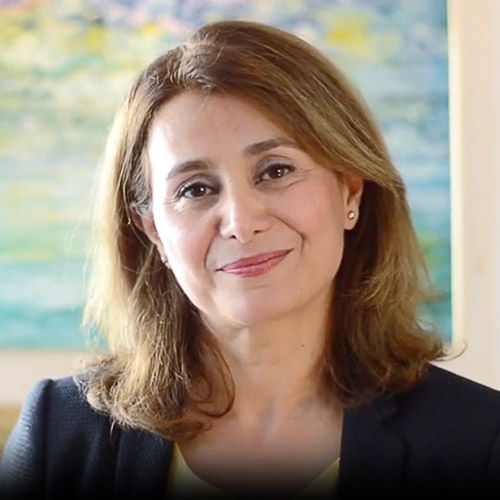
Parisa Amirmostofian’s professional journey reflects a lifelong commitment to understanding human wellbeing from a holistic perspective. Her path into psychotherapy was shaped by the profound experience of becoming a parent, which deepened her awareness that emotional health and resilience are rooted in secure relationships, nurturing environments, and a healthy family system. This insight inspired her to integrate her medical background and scientific education, artistic talent, and passion for psychology into a unique and comprehensive therapeutic approach.
Parisa began her academic career by earning a Bachelor degree in Midwifery from Tehran University, followed by clinical practice as a midwife in Sydney, Australia. She later completed postgraduate studies in Histology with a focus on In-Vitro Fertilization at the University of Sydney. Her research trajectory continued into doctoral-level work in Australia, which led to participation in breast cancer research at the University of California, Los Angeles (UCLA).
Driven by a growing interest in the psychological, Parisa pursued further advanced training in psychotherapy. She earned a Master’s degree in Marriage and Family Therapy and Art Psychotherapy from Loyola Marymount University in Los Angeles. In addition to her graduate studies, she has undertaken professional training in EMDR (Eye Movement Desensitization and Reprocessing), Color and Light Therapy, and Reiki healing, enriching her integrative therapeutic framework.
Today, Parisa works in private practice as a Licensed Marriage and Family Therapist and Board-Certified Art Psychotherapist. Alongside her clinical work, she is actively engaged in higher education, teaching bachelor’s and master’s level students in psychotherapy and art therapy, while also contributing to the field as a researcher and author.
Her clinical work is trauma-informed and integrative, drawing on multiple therapeutic modalities to meet the unique needs, histories, and processing styles of each client. Parisa’s approach recognises the deep interconnection between mind, body, emotion, creativity, and relational experience, allowing clients to explore healing from a whole-person perspective.
With extensive interdisciplinary training spanning medicine, science, psychotherapy, and the arts, Parisa offers a compassionate, non-judgmental therapeutic environment where clients feel safe to explore their experiences and reconnect with their inner strengths. She works with individuals, children, adolescents, couples, and families, and welcomes people from diverse cultural and socioeconomic backgrounds.”

MA in Marriage and Family Therapy
Clinical Art Therapy - Clinical Fellow
BA in Fine Art
Research in Breast Cancer

MA in Histology, In-Vitro Fertilization Research in Breast Cancer
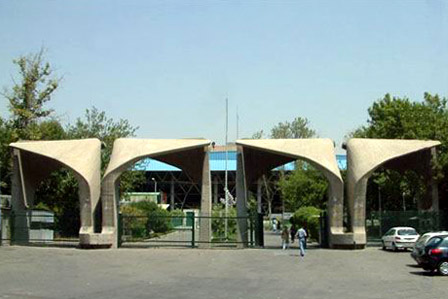
BA in Midwifery
Frequently Asked Questions about Art Therapy
Art therapy is a form of psychotherapy using art material to assist clients to have access to underlying issues causing problems. Using art therapy helps to explore into problems and solutions to problems which leads to healing. Rather than using only words to explore, understand and heal; art therapy also uses the creative process, imagery and the metaphor.
It is an effective tool to help families, couples, individuals, children, and adolescents. The kind of art interventions I use depend on the needs of my client.
In art therapy we use different methods and materials, as simple as paper and markers to more advanced forms such as three dimensional art materials. The art media is carefully chosen by therapist to fit the therapeutic goal.
The language of the unconscious mind is imagery, so by creating art and tapping into the power of the metaphor, you are utilizing the language of the unconscious mind. Using art, both you and I can have expanded access to what is happening for you. What I mean is, we use the art work and the art process to understand your experience as well as the underlying issues that may be resulting in depression, anxiety, irritability, anger, ect. This kind of access to what is happening for you can result breakthroughs in your awareness of what is causing a problem.
The use of art creates distance from vulnerable memories so that you can tolerate processing that emotionally laden material. Our brains can protect us from being aware of the very things we need to know to resolve an issue. The use of art helps bypass that natural protection.
Another benefit of art therapy is that helps to externalize the problem. In other words, it helps to put the problem outside you in order to create perspective. At the same time, the problem being outside you helps you let it go, or at least put it down for a while. The creative process can also be cathartic.
Finally, human beings often create what is happening on the inside–in our inner world–on the outside, usually unconsciously. You know that saying: A messy bed means a messy head? Using art therapy techniques, we can capitalize on that connection: connecting the inside with the outside. Using art, you can create on the outside what you want to have happen on the inside.
Absolutely not. The goal in the art process is not the beauty of what is created, it is not the aesthetics. We are not going for a museum caliber piece of artwork. The important part is the process of creating art and the meaning that is made of the final product.
Children will use a metaphor and remain inside it to work through an issue without ever needing to break the metaphor. What I mean is, the child may never need to directly talk about the problem. Why? Because it is safer and really in their language of fantasy and play. Allowing the work to remain within the metaphor does not reduce the effectiveness of treatment. In fact, depending on the child, there can be a greater benefit because the child will often not be aware of the work they are doing and this may allow more healing to actually take place.
I offer a free 20 minute, “meet and greet” consultation, where we can talk by phone or meet in person. This is a time for you to ask me questions and decide whether my counseling approach is right for you.